
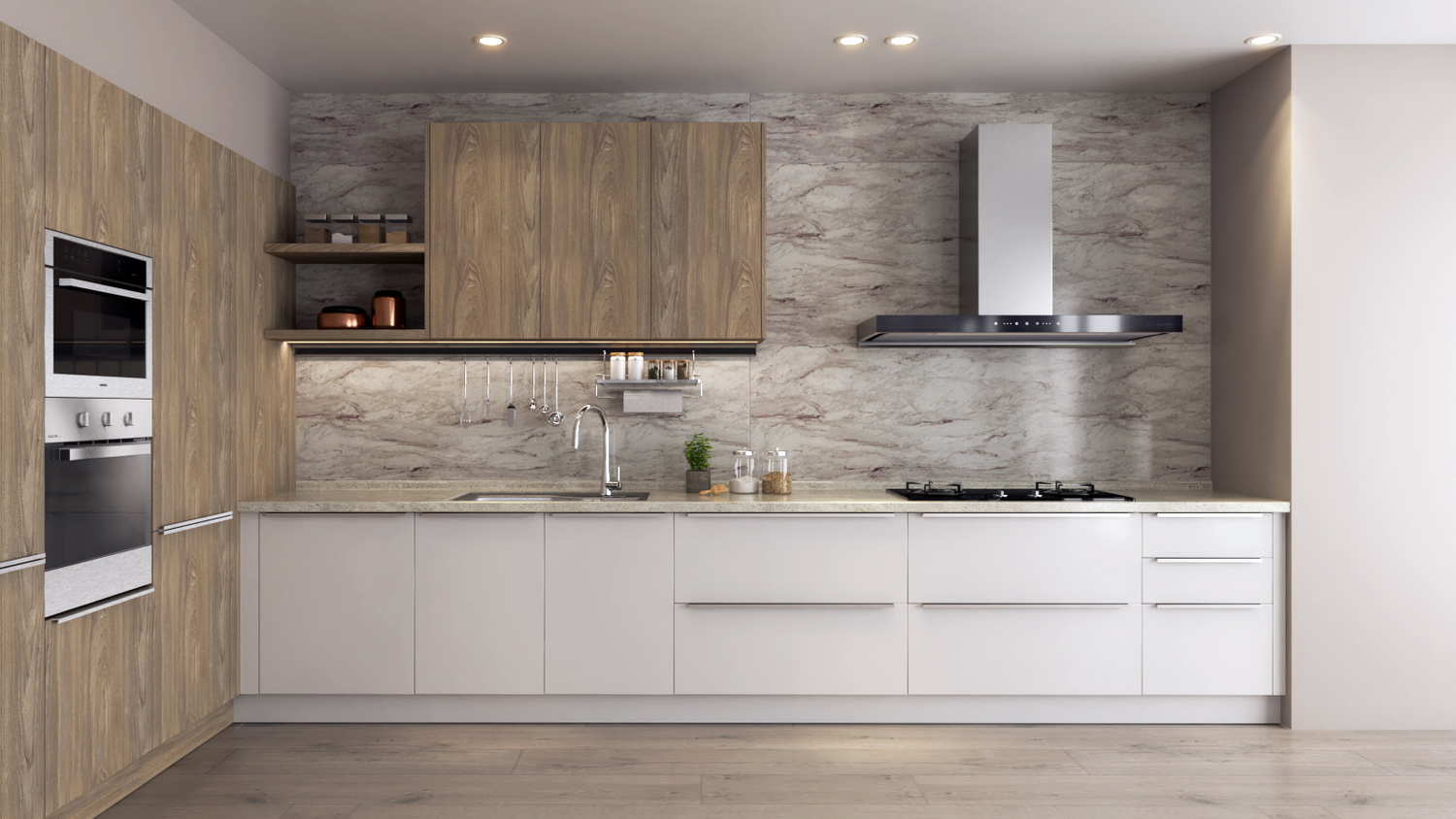
A range hood is often the unsung hero of the kitchen. You notice the fancy stove and the quartz countertops, but the range hood is the "lungs" of your home. If it stops working efficiently, your beautiful kitchen becomes a greasy, smoky mess.
Choosing the right one can be overwhelming. With hundreds of brands and confusing technical jargon like "CFM" and "Sones," where do you start?
Whether you are renovating your entire kitchen or just replacing an old unit, here is your 2026 checklist for choosing a hood that actually works—especially for households that love serious cooking.
Power Matters: Understanding CFM The most important spec you will see is CFM (Cubic Feet per Minute). This measures how much air the fan can move.
- The General Rule: The standard recommendation is 1 CFM for every 100 BTUs of your stove.
- The Reality for Asian Cooking: If you stir-fry, sear steaks, or use a wok, standard rules don't apply. You need more power to combat the sudden burst of smoke. We recommend looking for a minimum of 700 to 800 CFM.
- Pro Tip: Don’t just look at the max speed. A good hood should have powerful suction even on medium settings.
2. Ducted vs. Ductless: Which is Better? This is a common debate, but for performance, the answer is clear.
- Ducted (Vented): These hoods push the stale air through a pipe and release it outside your home. This is the Gold Standard for removing heat, moisture, and smoke effectively.
- Ductless (Recirculating): These suck air through a charcoal filter and blow it back into the kitchen. While better than nothing, they are often ineffective against heavy grease and strong odors.
- Our Verdict: If your kitchen layout allows for it, always go ducted.
3. Size and Coverage A common mistake is buying a hood that is too small. If your cooktop is 30 inches wide, your hood should be at least 30 inches wide. For even better performance, professionals often recommend going 6 inches wider (e.g., a 36-inch hood over a 30-inch stove) to capture smoke that drifts to the sides.
4. Maintenance: The "Oil Cup" Advantage In North America, many hoods use "Mesh Filters." These look like layers of metal screen. The problem? They get clogged with grease quickly, are hard to scrub, and reduce airflow over time.
This is why SAKURA advocates for Oil Separation Technology. Instead of trapping grease in the filter, our fans use centrifugal force to spin the grease out of the air and into a dedicated Oil Cup.
- Benefit: You simply empty the cup. No scrubbing sticky mesh filters. No loss of suction power.
5. Noise Levels (Sones) High power doesn't have to mean deafening noise. Noise levels are measured in Sones.
- 1 Sone is about the sound of a quiet refrigerator.
- 4 Sones is a normal conversation.
- Some cheap hoods can reach 8+ Sones, sounding like a jet engine.
Look for models that offer a balance. You want a hood that allows you to cook and chat with your family at the same time.
Conclusion: Invest in Long-Term Air Quality Your range hood is an investment in your home's hygiene and your family's health. Don't settle for a weak microwave fan.
At SAKURA, we build hoods specifically for the demands of high-heat, flavor-rich cooking. [Browse our 2026 Best Sellers Collection]



Leave a comment
This site is protected by hCaptcha and the hCaptcha Privacy Policy and Terms of Service apply.